Soho Square planter care tips from professional gardeners
Posted on 27/11/2026
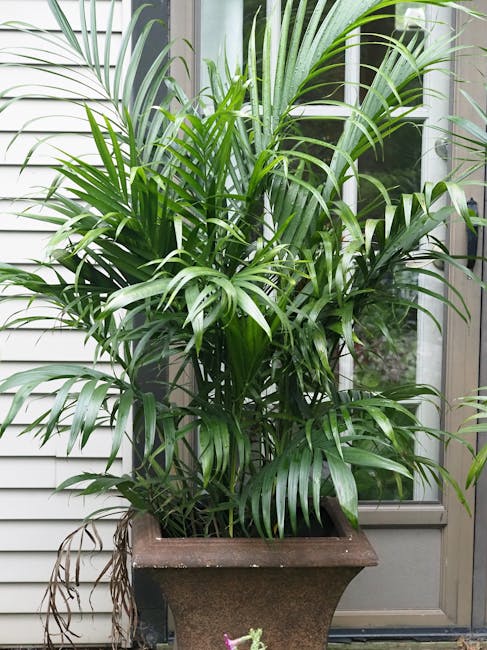
If you manage planters in Soho Square, you already know they are never just decorative extras. They shape first impressions, soften hard paving, bring colour to busy streets, and quietly carry a lot of the visual load. But planter displays in central London work hard for their living. Wind, heat reflection, footfall, restricted root space, and irregular watering can all take their toll. That is where Soho Square planter care tips from professional gardeners become genuinely useful: not as theory, but as a practical routine that keeps containers looking healthy, tidy, and resilient through the seasons.
In this guide, we break down how professional gardeners approach planter care in a demanding urban setting, what tends to go wrong, and how to avoid the usual mistakes. You will find a clear step-by-step method, expert advice, a comparison of care methods, a real-world example, and a checklist you can use straight away. It is straightforward stuff, really. Done well, planter care is less about heroics and more about steady habits.
Why Soho Square planter care matters
Planters in Soho Square do more than hold plants. They act as edge markers, soften public space, and help create a welcoming atmosphere in a busy part of London. When they are full, balanced, and healthy, the whole square feels better cared for. When they are tired, dry, or overgrown, the effect is immediate. You notice it without even trying.
Urban planters face conditions that garden beds do not. Roots are confined. Compost dries out faster. Drainage can be patchy. Airflow may be poor in sheltered corners, while exposed positions can batter stems and leaves. Add people passing closely by, the occasional dropped coffee cup, and the odd bit of winter grime, and you have a setting that needs regular attention rather than occasional enthusiasm.
Professional gardeners treat planter care as a cycle: observe, adjust, tidy, feed, and protect. That rhythm matters because container plants depend entirely on the person looking after them. They cannot forage deeper into the soil or spread out when conditions become difficult. If you miss a few waterings in July, or let water sit around roots in November, the plant tells you pretty quickly.
If you are already thinking about broader outdoor upkeep, it can help to read more about the craft of container gardening and how seasonal care can support the whole display. For city spaces, planter care is also closely linked with weather exposure, so defending plants against weather damage is a useful companion topic.
How professional planter care works
Professional planter care begins with a simple question: what is this planter trying to do, and what is stopping it from doing that well? A display planter outside a commercial frontage, a mixed container in a courtyard, and a seasonal feature planter all need slightly different routines. The fundamentals are similar, though.
Gardeners usually start with structure. Is the planter large enough for the planting scheme? Does it drain properly? Is the compost still open and airy, or has it collapsed into a dense block? Are the plants matching the sun, shade, wind, and watering conditions? Those checks sound basic, but they solve half the problems people usually blame on "bad luck".
Then comes maintenance. That means watering with consistency rather than panic, feeding at the right times, removing dead growth, refreshing the mulch layer, checking for pests, and replacing weak plants before they drag down the whole display. In practice, this is how a professional keeps a planter looking full for months instead of a few weeks.
There is also an eye for balance. Plants in containers do not just need to survive; they need to look composed. A gardener will usually combine a focal plant, supporting fillers, and trailing or edging plants so the planter reads clearly from a distance. It sounds small, but shape matters in a public square. A messy planter reads as neglect even when the plants are still technically alive.
For readers who like to understand the method behind the maintenance, essential gardening equipment is a useful reference point, especially if you want to keep care routines efficient rather than faffy.
Key benefits and practical advantages
Good planter care delivers more than a pretty display. In a space like Soho Square, the benefits are practical, visual, and reputational all at once.
- Healthier plants: regular checks catch stress early, before foliage collapses or roots fail.
- Better water use: consistent watering and mulching reduce waste and keep moisture where it is needed.
- Longer display life: thoughtful feeding and deadheading extend the value of seasonal planting.
- Cleaner presentation: tidy edges, weed control, and pruned growth keep the square looking cared for.
- Fewer emergency replacements: stable maintenance usually costs less than repeated plant losses.
- Improved visitor experience: healthy planters make the space feel calmer, greener, and more intentional.
There is a less obvious benefit too: planter care encourages consistency across the site. Once a system is in place, other maintenance tasks become easier to schedule and explain. That is useful for anyone balancing planting with broader upkeep, whether the priority is garden maintenance in Soho or a wider public-space refresh.
Truth be told, a planter that looks effortlessly healthy usually sits on top of a fair amount of boring discipline. That is not glamorous, but it works.
Who this is for and when it makes sense
Soho Square planter care is relevant to anyone responsible for container planting in a visible, weather-exposed urban space. That can include property managers, hospitality venues, offices, residential blocks, landscape teams, and local organisers who need planting to stay attractive without daily fuss.
It also matters if you are dealing with any of the following:
- Planters that dry out too quickly in summer
- Plants that flop, yellow, or stop flowering halfway through the season
- Containers that collect water after rain
- Displays damaged by wind tunnelling or reflected heat
- Seasonal schemes that look good at installation but fade too quickly
- Mixed planters where one plant keeps bullying the others
If you are new to planting or managing outdoor spaces, it helps to start with the basics first. A guide like essential tips for new gardeners can be a sensible foundation before you start fine-tuning planter maintenance. On the other hand, if the site already struggles with exposure, managing wind in exposed spaces may be the better starting point.
When does professional care make the biggest difference? Usually when the planting is visible, the schedule is tight, or the planters have already begun to decline. In those cases, small errors add up fast. One missed watering may not matter. Three in a row in warm weather absolutely can.
Step-by-step guidance
Here is the practical routine professional gardeners tend to follow. You can use it for a single feature planter or adapt it across a whole row of containers.
1. Inspect the planter structure first
Start by checking the container itself. Look for cracks, blocked drainage holes, lifting base sections, and soil that has sunk away from the sides. If the compost has shrunk dramatically, plants may be sitting too low, which leaves them vulnerable to water pooling around stems. A quick inspection saves trouble later.
2. Check moisture properly, not just visually
The top layer can look dry while the root zone is still damp, or the other way round. Use your finger or a hand trowel to check deeper down. In summer, containers may need watering early in the morning or later in the evening. In cooler months, watering should be lighter and less frequent, but never guessed. Guessing is where planters go wrong.
3. Refresh the surface and keep weeds out
Remove dead leaves, litter, and weeds before they build up. A fresh mulch or top-dressing can help retain moisture and improve appearance. It also reduces splashing, which matters in busy urban spots where dirt and grime can make foliage look worse than it is.
4. Feed according to plant type and season
Container plants use up nutrients faster than many people expect. That is especially true in high-growth periods. Use a feed that suits the planting scheme rather than tossing in whatever happens to be nearby. Flowering planters, foliage displays, and evergreen containers do not all want the same thing. A little care in selection makes the whole scheme steadier.
5. Prune, deadhead, and reshape
Trim away spent blooms, damaged stems, and awkward shoots. This does more than make the planter tidy. It redirects energy into healthy growth and helps the container keep its shape. In mixed displays, a bit of selective pruning can stop one plant from taking over. A bit ruthless sometimes, yes, but fair enough.
6. Watch for pests and disease
Container planting can still suffer from aphids, mildew, root rot, and leaf scorch. The earlier you spot symptoms, the easier they are to manage. If you want a deeper look at what to watch for, pest and disease control is worth reading alongside this article. The main point is simple: do not wait until the problem is obvious to everyone walking past.
7. Replace or rotate weak plants when needed
Sometimes a plant is simply not suited to the site. That is not failure; it is information. Replace poor performers promptly so the whole planter does not start to look patchy. In more dynamic schemes, you may also rotate seasonal plants to keep the display fresh.
8. Record what worked
Professional gardeners often keep notes on water needs, plant performance, feeding dates, and weather events. That habit might sound slightly nerdy. It is. And it is also very useful. Over time, your planters will become easier to manage because you are working from evidence, not memory on a rainy Tuesday.
Expert tips for better results
Once the basics are in place, a few small adjustments can make a planter look much more polished.
- Use larger containers where possible. Bigger planters hold moisture better and buffer temperature swings.
- Choose plants for the actual site, not the idealised one. Soho courtyards, shaded corners, and windy edges all behave differently.
- Group plants with similar water needs. Mixing thirsty and drought-tolerant species in one pot usually leads to compromise at best.
- Mulch lightly but consistently. It helps conserve moisture and keeps the surface from crusting.
- Lift planters slightly if drainage is poor. Even a small air gap beneath can help water escape more freely.
- Rotate planters if one side gets harsher sun or wind. This is a small trick that can even out wear.
Professional gardeners also think about the surrounding setting. A planter beside hard paving may experience more reflected heat, while one tucked near a wall may stay damp longer. In other words, the planter is never isolated from the site. That context matters more than people think.
For spaces where the planting forms part of a wider design, fast-growing privacy hedges, ground cover plants, and even evergreen climbers for shaded corners can help create stronger visual continuity beyond the planters themselves.
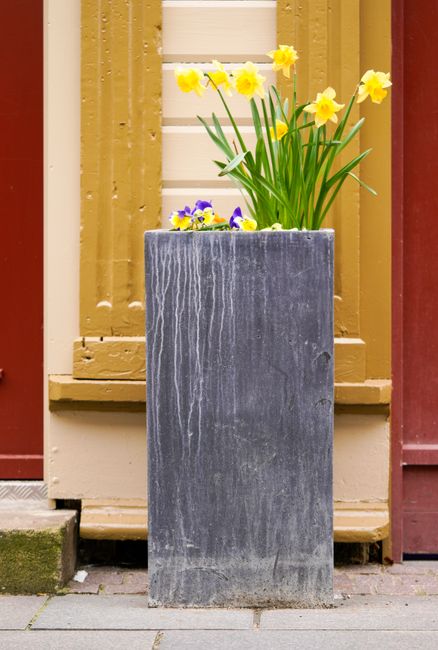
Common mistakes to avoid
Most planter problems come from a few familiar errors. Luckily, they are avoidable once you know what to look for.
- Overwatering without checking drainage: wet roots can rot faster than dry leaves can recover.
- Using the wrong compost: heavy, tired compost can compact and suffocate root growth.
- Ignoring seasonal change: summer and winter planter care are not the same job.
- Planting too densely: crowded containers dry out unevenly and invite disease.
- Letting weeds establish: they steal moisture and make the planter look neglected.
- Choosing showy plants that cannot tolerate the site: attractive on day one, stressed by week three.
- Not replacing failing plants quickly: one weak plant can make the whole display look tired.
There is also a common mistake that deserves its own mention: treating all container spaces as though they behave like open garden beds. They do not. Soil volume is limited. Heat and cold bite faster. Nutrients wash through more quickly. Once you accept that, care becomes much more realistic.
If winter is the hard season for your planting, keep an eye on winter plant protection and do not be too optimistic about plants "fighting through" cold wet conditions. Sometimes they do. Sometimes they just sulk, which is fair enough, honestly.
Tools, resources and recommendations
You do not need a van full of specialist kit to care for planters well. A few reliable tools are usually enough.
| Tool or resource | What it helps with | Why professionals like it |
|---|---|---|
| Hand trowel or small scoop | Checking compost, replanting, light cultivation | Quick, controlled, and easy in tight spaces |
| Watering can or hose with gentle attachment | Regular watering without disturbing soil | Reduces splash, compaction, and runoff |
| Secateurs | Deadheading and pruning | Cleaner cuts and healthier regrowth |
| Moisture check method | Assessing root-zone dampness | Prevents guesswork |
| Mulch or top-dressing | Moisture retention and finish | Improves appearance and steadiness |
| Maintenance notes | Tracking watering, feeding, and plant performance | Makes future care smarter and faster |
It also helps to work from broader gardening knowledge. If you are building confidence, an introduction to container gardening is a useful companion piece. For those choosing plants around a container scheme, growing a successful herb haven can offer ideas about what thrives in limited spaces, and organic waste to fertile ground is helpful if you want to understand soil improvement in plain English.
Law, compliance, standards, and best practice
For most planter care projects, the main concerns are not legal in the strict sense, but they are still governed by sensible best practice. If planters sit in public or shared spaces, safe access matters. Containers should be stable, placed so they do not obstruct walkways, and maintained in a way that avoids creating trip hazards or falling debris.
Professional gardeners also work with general duty-of-care principles: use tools safely, avoid overloading planters in ways that could damage the surface beneath, and manage water run-off so it does not create slippery patches. If maintenance is carried out by a team, clear communication helps with timing, access, and safety. That is especially true where foot traffic is frequent and delivery access is tight.
UK weather can shift fast, so seasonal best practice matters too. In summer, watering early and checking for heat stress is sensible. In colder months, it is usually better to reduce feeding, avoid waterlogging, and protect roots from repeated freeze-thaw movement. None of that is dramatic. It is just good horticultural housekeeping.
If your project is part of a wider maintenance plan, it can be useful to review general service information such as health and safety guidance, insurance and safety information, and the team's wider approach through about us. For budget planning, the page on pricing and quotes may also be useful. Just keep in mind that actual maintenance needs vary a lot by planting type, access, and season.
Options, methods, and comparison table
Not every planter should be maintained in exactly the same way. The right approach depends on the site, the display goal, and the time available for upkeep.
| Method | Best for | Strengths | Limitations |
|---|---|---|---|
| High-frequency light care | Busy public spaces with high visibility | Keeps displays consistently tidy and responsive | Needs regular visits and close attention |
| Lower-frequency intensive care | Seasonal planters or lower-traffic sites | Efficient for larger tasks done at set intervals | Problems can build between visits |
| Automatic watering support | Large container schemes in hot or exposed spots | More consistent moisture levels | Still needs inspection and occasional adjustment |
| Hand-tended mixed planting | Feature planters needing a bespoke look | Best visual flexibility and plant selection control | More labour-intensive |
For many Soho Square settings, the winning approach is a blend: regular light care plus periodic deeper maintenance. That gives you consistency without overcomplicating the schedule. If the wider site is also being refreshed, related support like gardening services or ongoing maintenance can help keep everything aligned rather than patched together.
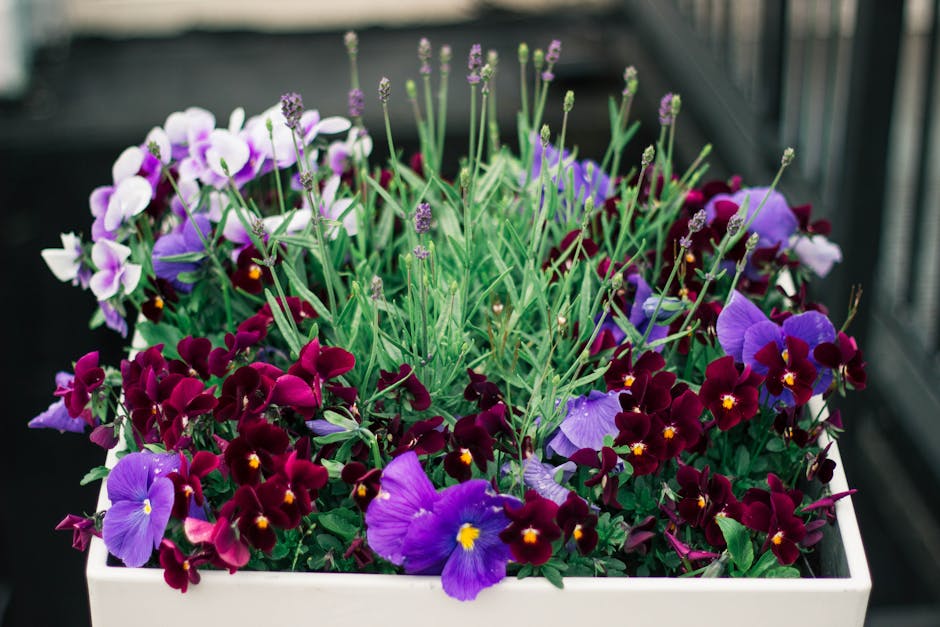
Case study or real-world example
Picture a set of large street-facing planters in early July. They looked strong in May, but by mid-summer the outer foliage had started to crisp, one or two plants were leaning toward the pavement, and a patchy gap had opened in the centre of each container. Nothing dramatic. Just enough to make the display look a little tired.
A professional gardener would usually tackle this in stages. First, the planter is checked for drainage and moisture. In this case, the compost is dry lower down but compacted at the surface, which means water has been running through too quickly. The top layer gets loosened, tired mulch is removed, and a fresh compost blend is added. Then the worst-looking stems are cut back, dead blooms are removed, and one plant in each planter is replaced with a better-suited specimen.
Two weeks later, the difference is not subtle. The planters hold moisture better, the display looks more even, and the colour balance is restored. Nothing magical happened. The fix was simply timely, calm, and based on what the plants were actually telling us. That is the part people often miss. Plants rarely need drama. They need attention.
We have seen the same pattern in other small-space projects too, especially where container planting sits alongside a broader refresh or a tidy seating area. A quiet, well-kept planter can change how a whole corner feels. It can make a square feel cared for, almost without anyone noticing why.
Practical checklist
Use this checklist for a quick planter care round.
- Check whether the planter has drainage holes that are open and working
- Feel below the surface before watering again
- Remove dead leaves, litter, and weeds
- Deadhead spent flowers and trim weak growth
- Look for pest damage, mildew, or root stress
- Top up mulch or refresh the compost surface if needed
- Make sure the plants suit the amount of sun, shade, and wind
- Rotate or reposition planters if one area is more exposed
- Replace failing plants before gaps become obvious
- Record what you watered, fed, or changed
Expert summary: the best Soho Square planter care is not complicated care. It is regular care, matched to the site, with enough flexibility to respond when the weather shifts or the planting tells you something is off. That is the whole trick, really.
Get a free quote today and see how much you can save.
Conclusion
Soho Square planter care tips from professional gardeners are ultimately about consistency, observation, and restraint. The most reliable displays are rarely the fanciest. They are the ones that get checked often, watered properly, pruned lightly, and replaced before decline sets in. In a place like Soho Square, that steady rhythm makes all the difference.
If you remember only one thing, let it be this: planters are small living systems, not ornaments. Treat them that way and they will reward you with better colour, longer life, and a far cleaner finish across the space. It is a simple idea. But simple, done well, tends to look excellent.
And if you are standing there one morning with a watering can, a few sun-warmed leaves in your hand, and wondering whether the effort is worth it - yes, it is. It absolutely is.

Amanda, a professional gardener renowned for her organizational abilities and meticulous attention to detail, is highly proficient in landscaping. Her contributions as an author have helped countless individuals relish their exquisite gardens.