.jpg "Gardeners Soho")


Soho garden maintenance guide for W1 terrace gardens
Posted on 10/10/2026
If you live with a terrace garden in W1, you already know it is a different sort of outdoor space. It may be compact, overlooked, windy, shaded for part of the day, or squeezed between paving, walls, and neighbours' windows. That does not mean it has to be difficult. A good Soho garden maintenance guide for W1 terrace gardens is really about making small spaces work hard, stay tidy, and still feel like somewhere you want to sit down with a coffee on a grey Tuesday morning.
In Soho, gardens often need a more considered approach than a typical suburban lawn. Container planting, clipping, cleaning, drainage checks, and seasonal resets matter far more than sheer size. This guide walks through what maintenance actually looks like in a W1 terrace setting, what problems show up most often, and how to keep your space looking intentional rather than overworked. A little care goes a long way. Honestly, in a terrace garden, a little care can make all the difference.
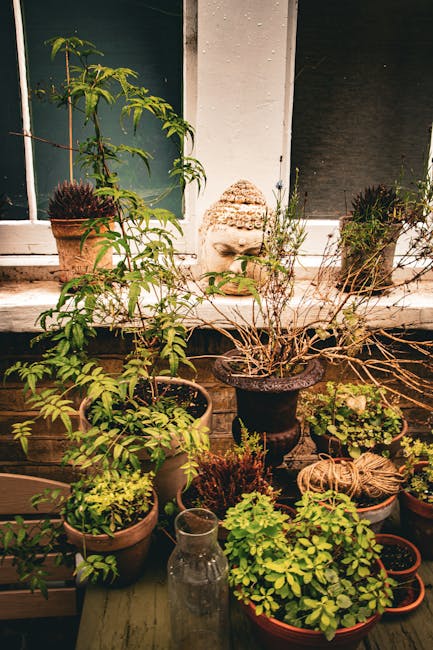
Why Soho garden maintenance guide for W1 terrace gardens Matters
Terrace gardens in W1 live under pressure from every direction. Buildings create pockets of shade, masonry reflects heat in summer, and narrow layouts make it easy for clutter to build up. Add local footfall, dust, pollution, and the simple fact that many Soho gardens are seen from multiple angles, and maintenance stops being a nice extra. It becomes part of how the space functions.
Good maintenance protects the garden's structure as much as the planting. Pots crack if left waterlogged in winter. Climbers become leggy if not tied in. Paving turns slick if organic debris is left to sit. Even a small courtyard can lose its charm quickly if edges soften and weeds take over the joints. If you have ever looked out at a lovely space and thought, "It used to look better than this," well, that is exactly the moment maintenance earns its keep.
There is also a practical Soho factor. Terrace gardens here often need to do several jobs at once: a place to sit, a bit of privacy, some greenery, maybe a herb corner, maybe somewhere for a child to play for ten minutes without disappearing into the flat. A maintenance plan keeps those uses in balance instead of letting one part dominate the rest.
For readers who want to build the layout as well as maintain it, a helpful companion to this guide is an introduction to container gardening, especially if your terrace relies on pots, troughs, and raised planters rather than open soil.
How Soho garden maintenance guide for W1 terrace gardens Works
Maintenance for a terrace garden is less about big clear-outs and more about steady, small interventions. You are usually managing a living arrangement of planters, paving, vertical planting, edging, small trees, and furniture. The aim is to keep everything healthy, clean, safe, and visually connected.
A sensible routine normally works in layers:
- Visual checks for broken stems, standing water, weeds, pests, and loose pots.
- Watering control so plants stay hydrated without becoming soggy.
- Feeding and soil care to replace nutrients in container-heavy spaces.
- Pruning and trimming to keep growth compact and attractive.
- Surface cleaning for paving, decking, steps, and seating areas.
- Seasonal resets to swap out tired planting, protect tender plants, and refresh mulch or compost.
The rhythm matters. In a terrace setting, a quick five-minute tidy-up once or twice a week is often more effective than a heroic monthly effort. That is not glamorous, but it works. And truth be told, terrace gardens are very unforgiving about neglect. They show everything.
Maintenance also depends on the planting style. A terrace full of evergreen structure needs different care from one built around seasonal flowers or edible pots. If your space includes climbers or screening plants, you may also find advice on evergreen climbers for shaded corners useful, especially where light is limited between buildings.
Key Benefits and Practical Advantages
Well-planned maintenance gives a terrace garden a kind of quiet discipline. It makes the space easier to use and easier to enjoy. That sounds obvious, but you notice it quickly once the routine is in place.
The main benefits are:
- Better plant health - regular checks catch stress early, before a plant starts collapsing from root rot, drought, or pest damage.
- Cleaner, safer surfaces - less moss, fewer slippery patches, fewer fallen leaves blocking drains.
- More privacy and comfort - clipped hedges, climbers, and trained plants stay in proportion instead of turning wild.
- Less waste - good maintenance helps you save plants rather than replacing them too often.
- Better year-round use - the garden feels ready for sitting out, not like a project you keep meaning to finish.
There is a design benefit too. Small spaces rely on visual order. A neatly maintained terrace reads as larger, calmer, and more intentional. Even one healthy evergreen container can anchor the whole space.
If privacy is a priority, you may want to explore fast-growing privacy hedges for ideas that suit a compact London setting without making the garden feel boxed in.
And if your terrace is often battered by gusts, the maintenance routine should account for that as well. A practical read on managing wind in a backyard can help you reduce plant stress and avoid repeated topple-and-repot drama. Nobody needs that twice in a week.
Who This Is For and When It Makes Sense
This guide is for anyone looking after a terrace, courtyard, balcony garden, or compact roof-level space in Soho or the wider W1 area. That includes homeowners, tenants, landlords, short-let hosts, office managers, and anyone who has inherited a planted space that looked charming in spring and slightly chaotic by late summer.
It makes particular sense if you:
- have limited time and want a maintenance plan that is realistic
- use containers instead of open borders
- have climbing plants, small shrubs, or dwarf trees to manage
- need the garden to look presentable for guests or clients
- have drainage, shade, or exposure problems
- want a low-fuss routine that still keeps the garden attractive
Sometimes the moment to act is not when everything looks bad. It is when you notice one planter staying wet too long, one hedge getting a bit wiry, or one patch of paving becoming slippery. That is the stage where maintenance is easy. Wait much longer and you are into rescue territory.
For newer gardeners, a refresher like essential tips for new gardeners can be a useful companion, especially if you are still working out how much to water, feed, and prune.
Step-by-Step Guidance
A terrace garden is easiest to manage when you divide the job into repeatable steps. Here is a practical approach that suits most W1 spaces.
1. Start with a full walk-through
Before touching anything, look at the whole garden as one system. Check the condition of the pots, the soil surface, the foliage, the paving, the drainage points, and any furniture. Ask yourself what feels off. Too dry? Too crowded? Too shaded? That first impression is often right.
2. Clear debris and reset surfaces
Remove leaves, twigs, spent flowers, and old ties. Sweep paving and check corners where moisture collects. On a terrace, debris does not disappear into a border the way it might in a larger garden. It sits there, staring back at you.
3. Check watering and drainage
Container gardens need a careful watering rhythm. Feel the soil, not just the surface. If the top layer is dry but the pot beneath is still moist, leave it. If water is sitting in saucers or trays, empty them. Standing water is a common cause of root problems in terrace settings.
4. Prune, pinch, and tidy growth
Trim back dead, damaged, or overlong growth. Tie in climbers before they wander across windows or railings. Remove faded flowers to encourage cleaner growth on many plants. If you have hedging or clipped forms, maintain the outline little and often rather than waiting for a big seasonal haircut.
5. Feed where needed
Container plants rely on you more than in-ground plants do. Use compost top-ups or a suitable feed during the growing season, but avoid overdoing it. Too much feed can lead to soft, leggy growth that looks impressive for two weeks and then sulks.
6. Inspect for pests and disease
Look under leaves, around stems, and in the crown of the plant. Aphids, mildew, black spot, vine weevil, and fungus problems can all appear quickly in sheltered city gardens. Early action matters. A good overview of pest and disease control in your garden will help you spot warning signs before they spread.
7. Refresh mulch, compost, and top dressing
Mulch helps with moisture retention and keeps containers feeling finished rather than tired. In a terrace garden, a simple top dressing can make plants look newly cared for even when you have not changed the planting scheme. It is one of those small wins that people notice.
8. Finish with a design check
Step back and look for balance. Are all the tall elements on one side? Is the seating buried behind a jungle of pots? Is there a clear path to the door? Maintenance should not just preserve plants; it should improve how the garden is used.
Expert Tips for Better Results
Here is where a few local realities matter. Soho terraces are not forgiving, but they can be brilliant if you work with the conditions rather than fighting them.
- Use containers with purpose. Choose a few substantial pots instead of too many tiny ones. A cluttered terrace often looks smaller and is harder to water well.
- Match plant choice to the site. Shade, wind, and reflected heat all affect performance. A plant that looks fine in a nursery may struggle badly on a west-facing terrace wall.
- Prefer structure over fuss. Evergreen forms, clipped shapes, and dependable foliage give year-round value and reduce the need for constant replanting.
- Trim with intention. A sharp pair of secateurs and regular touch-ups beat the "I'll do it properly at the weekend" method. We all know how that goes.
- Keep a spare replacement plan. In small spaces, one failing plant can leave a very obvious gap. Having one or two backup plants ready makes the garden look cared for, not patched.
- Watch water movement after heavy rain. Terrace gardens can get splashback, runoff, and hidden pooling. After a storm, take two minutes to see where the water actually went.
If you want a more sculpted look, designing your landscape with hedge trimming can give you ideas for keeping lines crisp without overcutting.
For spaces that lean minimal or restorative, some readers also pair maintenance with a calmer planting style. A look at creating a zen garden haven can help if you want the terrace to feel quieter and more balanced.

Common Mistakes to Avoid
Most terrace garden problems are not dramatic mistakes. They are small habits repeated too often.
- Overwatering in containers. This is the big one. Terrace gardens often fail from kindness, not neglect.
- Ignoring drainage. If planters have no clear drainage path, roots suffer and surfaces stay damp.
- Using too many plant types. Variety is lovely, but too many mismatched needs can create an exhausting maintenance burden.
- Letting climbers run unchecked. They may look romantic for a while, then they block light, weigh down supports, or tangle into fixtures.
- Cleaning only when the space looks dirty. By then, moss and grime may already have settled in.
- Forgetting winter protection. Tender plants, ceramic pots, and exposed roots can all suffer in cold snaps.
A common one in Soho is assuming shade means low maintenance. Sometimes it does. Sometimes it just means different maintenance. Moss, mildew, and slow-drying soil all bring their own quirks.
If your terrace gets hammered by weather, the guidance in defending your garden against weather damage is worth a look, especially after strong winds or heavy rain.
Tools, Resources and Recommendations
You do not need a van full of kit to maintain a terrace garden properly. In fact, too much gear just gets in the way. A small, reliable set of tools is usually enough.
| Tool or resource | Best use in a terrace garden | Why it helps |
|---|---|---|
| Hand trowel and hand fork | Potting, top dressing, soil aeration | Ideal for tight spaces and containers |
| Secateurs | Deadheading, light pruning, stem removal | Gives clean cuts and keeps plants tidy |
| Watering can with a rose | Controlled watering for pots and seedlings | Prevents soil disturbance and waste |
| Soft ties | Training climbers and supporting stems | Prevents wind rock and breakage |
| Outdoor broom or patio brush | Routine sweeping and debris removal | Keeps surfaces safe and presentable |
| Compost and mulch | Feeding and moisture retention | Supports healthier growth in containers |
It also helps to keep one clean storage box or small shed area for gloves, plant labels, spare ties, and feed. If the tools are easy to reach, you are much more likely to use them. That sounds trivial. It really is not.
For a broader understanding of practical kit, indispensable gardening equipment is a useful reference, especially if you are building up from scratch.
If your terrace uses more pots than borders, ground cover plants for UK gardens can inspire lower-maintenance underplanting or spill-over planting around larger containers.
And if you want to make the most of awkward shade, the article on vertical gardening offers ideas that suit narrow, wall-led spaces beautifully.
Law, Compliance, Standards, or Best Practice
For a domestic terrace garden, the main concerns are less about formal regulation and more about safety, good practice, and neighbourly responsibility. That said, a few points are worth keeping in mind.
- Access and visibility: Keep paths, steps, and exits clear. In a compact W1 terrace, a cluttered route is more than untidy; it can become a trip hazard.
- Shared walls and boundaries: Be careful with climbers, pruning, and fixing supports where a neighbouring wall or fence is involved.
- Water runoff: Make sure watering and drainage do not create nuisance pooling onto adjacent areas.
- Working at height: If you need to reach upper railings, high climbers, or rooftop planters, use sensible equipment and do not improvise. For anything awkward, a professional visit is the safer choice.
- Waste handling: Green waste should be bagged and removed responsibly. Avoid leaving piles of cuttings to rot on shared surfaces.
Best practice in terrace maintenance usually means tidy, careful, and minimally disruptive work. If you are arranging professional help, it is sensible to look for clear information on insurance, safety, and working methods. Those trust signals matter when someone is working close to your home, garden furniture, or access points. A straightforward starting point is the site's own insurance and safety information, alongside the health and safety policy.
For service expectations, it can also be useful to review terms and conditions and privacy policy before commissioning any recurring maintenance work. Nothing dramatic, just sensible due diligence.
Options, Methods, or Comparison Table
There is more than one way to maintain a W1 terrace garden. The right approach depends on time, ambition, and how much hands-on care you actually want to give it. To be fair, not everyone enjoys deadheading on a damp Wednesday evening.
| Method | Best for | Pros | Trade-offs |
|---|---|---|---|
| DIY weekly upkeep | Hands-on owners, small planting schemes | Low cost, immediate control, flexible timing | Relies on consistency and decent plant knowledge |
| Seasonal refresh visits | Busy households, medium-maintenance terraces | Keeps the garden reset at key times of year | Less effective if problems appear between visits |
| Regular professional maintenance | High-visibility terraces, more complex planting | Reliable, tidy, efficient, and often more detailed | Ongoing commitment and higher cost |
| Hybrid approach | Most Soho terrace gardens | Balances cost, quality, and time savings | Needs clear handover and a simple routine |
In practice, the hybrid model is often the sweet spot. You handle the quick touch-ups, and a professional team deals with pruning, deeper cleaning, repairs, and seasonal adjustments. If that sounds familiar, you are not alone. Many W1 terrace owners want a garden that looks deliberate without spending every spare hour on it.
Where a garden needs a bigger reset, a service-led approach can be helpful. This is where garden maintenance in Soho fits neatly alongside related support such as patio cleaning in Soho and general gardening services.
Case Study or Real-World Example
Picture a narrow terrace off a Soho flat: three large pots, a small bench, two climbers on trellis panels, and a paved area that faces north-east. In spring it looks charming. By late July, the climbers are floppy, the pot surfaces are crusted with old leaves, one container has become waterlogged after a run of rain, and the paving has started to go green in the corners.
Rather than redesigning the whole space, the maintenance fix is simple. The problem garden needs structure, not drama. The routine might go like this:
- remove dead growth and thin out congested stems
- refresh the top layer of compost in the pots
- check the trellis ties and re-secure the climbers
- clear the paving and brush out the joints
- replace the soggy planter with better-draining soil and a more suitable plant mix
- add a hardy evergreen container for year-round shape
After that, the terrace does not just look tidier; it reads as calmer. The seating area becomes usable again. The plants stop competing with each other. And the owner, who had started referring to it as "a bit of a state," starts using it again in the evenings. That is the real outcome. Not perfection. Just a space that feels easy to live with.
If you are considering a fuller refresh, garden rescue and makeover guidance can help you decide whether a tidy-up is enough or whether the terrace needs a more structural rethink.
Practical Checklist
Use this checklist for routine terrace garden maintenance. It is simple, but simple is often what sticks.
- Check pots, planters, and trays for standing water
- Water only where the soil actually needs it
- Remove dead leaves, faded flowers, and broken stems
- Inspect for pests, mildew, and disease symptoms
- Brush paving, decking, and steps
- Tie in climbers and secure tall stems
- Trim hedges and shrubs before they become overgrown
- Feed container plants during the growing season
- Refresh mulch or top dressing when it looks tired
- Check furniture, screens, and supports for wear
- Protect tender plants before colder weather arrives
- Remove green waste and keep storage areas tidy
Expert summary: A well-maintained W1 terrace garden is not built on occasional big effort. It is built on small, repeatable actions that keep plants healthy and the space pleasant to use. Keep the routine light, consistent, and season-aware, and the garden will repay you far more than it asks.
If budget is part of your decision, it is worth comparing services carefully. A page on pricing and quotes can help you understand how maintenance support is typically scoped before you commit.
Get a free quote today and see how much you can save.
Conclusion
A terrace garden in Soho can be small, exposed, shaded, awkward, and still completely worth the effort. The trick is not to fight the space. Work with it. Keep the planting proportionate, the surfaces clean, the watering sensible, and the seasonal jobs on a steady rhythm. That is really what the best Soho terrace gardens have in common: they feel cared for without looking overmanaged.
Whether you handle maintenance yourself or bring in support for the heavier jobs, a clear routine will protect the look, health, and usability of the garden through the year. And once it is in hand, the space tends to give back more than you expected. A bit of shade, a bit of calm, maybe a seat in the late afternoon sun. Not bad for a terrace, really.
For a friendly overview of the people behind the service, you can also learn more about us, or browse related guidance such as simple weed control, winter plant protection, and making better use of organic waste if you want to keep building a healthier terrace over time.


Amanda, a professional gardener renowned for her organizational abilities and meticulous attention to detail, is highly proficient in landscaping. Her contributions as an author have helped countless individuals relish their exquisite gardens.