Shopfront gardeners for Carnaby and Oxford Street businesses
Posted on 11/11/2026
Carnaby and Oxford Street do not forgive a tired-looking frontage. Between foot traffic, changing weather, delivery dust, and the simple fact that everyone is walking past at speed, a shopfront has to work hard. That is where shopfront gardeners for Carnaby and Oxford Street businesses come in: not as a luxury, but as part of how a business presents itself, protects its planting, and keeps the outside space looking cared for day after day.
If you manage a boutique, cafe, showroom, hotel entrance, or office frontage in this part of London, you already know the feeling. One week the planters look crisp and full; a few windy days later, they're drooping, dusty, or suddenly a bit chaotic. The good news? With the right maintenance approach, shopfront planting can stay neat, resilient, and genuinely inviting. This guide breaks down how it works, what makes it worthwhile, and how to make sensible decisions without overcomplicating it.
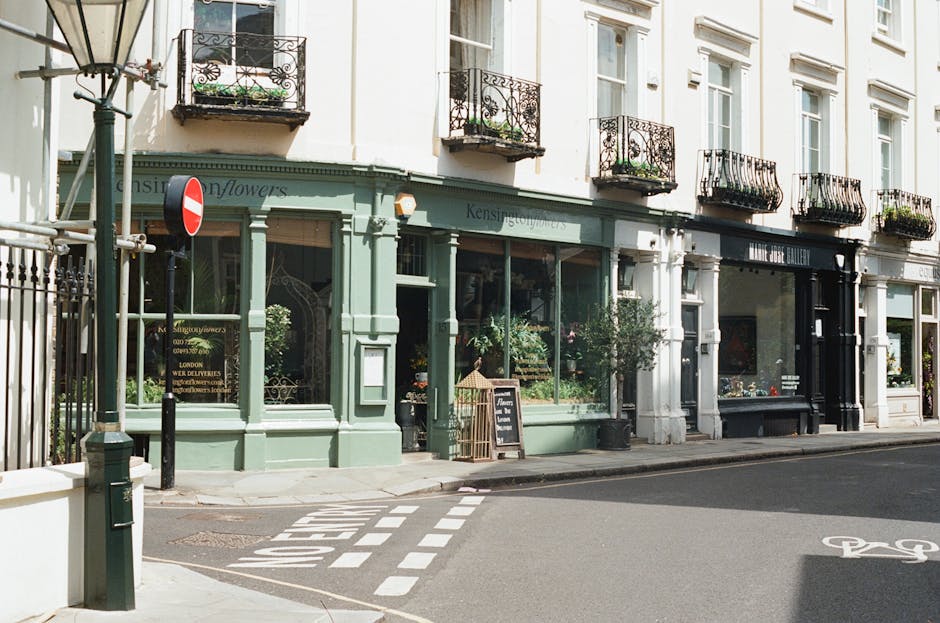
Why Shopfront gardeners for Carnaby and Oxford Street businesses Matters
In busy retail and hospitality streets, first impressions happen before a customer reaches the door. A clean, balanced, well-kept shopfront suggests attention to detail. A neglected one does the opposite, even if the service inside is excellent. That's the slightly unfair part of street-facing business, but it's true.
Shopfront gardening matters because the planting is doing several jobs at once. It softens hard building lines, guides the eye towards entrances, creates seasonal interest, and helps a business feel more welcoming. In areas like Carnaby and Oxford Street, where branding and atmosphere are part of the sale, the planting is not just decoration; it's part of the customer experience.
There is also a practical side. Containers dry out quickly in exposed positions. Leaves collect under benches and planter edges. Traffic pollution can dull foliage. And if a scheme is poorly matched to the site, the result can be a constant cycle of replacement rather than maintenance. Good gardeners understand that a frontage needs species choice, pruning rhythm, irrigation awareness, and realistic upkeep, not just a nice-looking plant list.
For a lot of businesses, the real value is consistency. Not perfection. Consistency. You want the frontage to look intentional on a wet Tuesday in November just as much as on a sunny Saturday morning. That is where a specialist maintenance approach earns its keep.
Expert summary: A well-managed shopfront planting scheme should look attractive, stay tidy, and survive the realities of London street conditions without becoming a weekly headache for staff.
If you want to explore wider maintenance support beyond frontage care, it can help to see how regular upkeep sits alongside garden maintenance in Soho and more tailored gardening services in Soho.
How Shopfront gardeners for Carnaby and Oxford Street businesses Works
The process is usually more structured than people expect. Good shopfront gardening is not a one-off tidy-up; it is a repeatable maintenance system built around the actual conditions outside the premises.
It normally starts with a site review. A gardener looks at sunlight, wind exposure, footfall, splashback from the pavement, the quality of the containers, and whether the planting is meant to be evergreen, seasonal, corporate, playful, or luxury-led. A cafe with soft herbs and compact florals needs different care from a fashion retailer using architectural planting.
Then comes the maintenance plan. This may include watering schedules, deadheading, pruning, feeding, pest checks, soil refreshes, and replacement planting where necessary. In exposed spots, it may also involve wind-resistant choices, securing pots, and using heavier planters so displays stay upright. If you've ever seen a nice arrangement topple after a gusty afternoon, you'll know why that matters.
After that, the work becomes cyclical. A good gardener visits at agreed intervals, checks plant health, resets the presentation, and reacts to weather damage before it becomes visible from the street. That rhythm is what keeps the frontage calm and polished instead of swinging between "fresh" and "faded".
Some businesses also combine frontage care with other outdoor services such as patio cleaning in Soho, hedge trimming in Soho, or even small-scale landscaping in Soho where the entrance area needs a broader refresh. Truth be told, the best results often come when the whole entrance zone is considered together, not just the planters.
Key Benefits and Practical Advantages
There are plenty of reasons businesses invest in shopfront gardening, but the strongest ones are usually the simplest.
- Better curb appeal: Fresh planting and neat edges immediately improve how the business is perceived.
- Stronger brand feel: The right planting style can reflect a brand's tone, from minimalist and modern to warm and organic.
- Year-round structure: Evergreen planting and seasonal rotation keep the frontage looking alive even in quieter months.
- Less staff burden: A proper maintenance plan stops the team from improvising with a watering can and good intentions.
- Fewer plant losses: Regular checks catch stress, pests, and drying out before they become expensive replacements.
- Cleaner presentation: Trimming, litter removal, and leaf clearance help the entrance stay sharp and professional.
- Better customer welcome: People notice when a business looks cared for, even if they can't explain exactly why.
One thing that gets overlooked is the psychological effect. A tidy frontage makes a busy street feel calmer. A little greenery at eye level slows people down just enough to notice the shop, the window display, or the entrance itself. That tiny pause can matter.
For businesses wanting to build more interest without creating a maintenance monster, useful ideas from container gardening and ground cover plant choices for UK gardens can help shape a practical scheme. Low-profile planting is often a smarter answer than constant flower replacement.
Who This Is For and When It Makes Sense
This kind of service is not only for big flagship stores. In practice, it suits any business that relies on visible frontage and wants it to look consistently well cared for.
Best-fit businesses include:
- Retail shops and boutiques
- Cafes and restaurants with outside-facing entries
- Hotels and serviced apartments
- Showrooms and lifestyle brands
- Offices with customer-facing receptions
- Fitness, wellness, and beauty businesses
- Mixed-use premises with planters or frontage beds
It makes sense when your business has limited time but high visual expectations. If staff are already stretched, adding watering, pruning, and deadheading to the weekly workload is rarely sustainable. It also makes sense where a frontage is exposed to dust, wind, or heavy pedestrian traffic. That's most of central London, really.
If the entrance area is small, even a modest planting scheme can make a noticeable difference. In some cases, a few carefully chosen containers are enough. In others, the frontage needs a more coordinated approach, especially if the business wants a strong seasonal identity. If you're unsure whether your site needs light care or a fuller redesign, the transition from basic maintenance to a broader garden rescue approach is often the point where the conversation becomes worthwhile.
Step-by-Step Guidance
If you're planning shopfront gardening for the first time, keep the process simple. A sensible approach beats a flashy one that collapses by week three.
- Assess the site conditions. Check sun, shade, wind, and how much space is actually available once doors, signage, and pedestrian flow are considered.
- Define the business goal. Decide whether you want a luxury look, a seasonal display, a calming green entrance, or a low-maintenance evergreen scheme.
- Choose the right containers or beds. Pots need to suit the scale of the building. Tiny pots on a grand frontage can look apologetic; oversized containers in a tight space can feel clumsy.
- Select plants that can cope. Prioritise species that tolerate city conditions, irregular weather, and the occasional missed watering window.
- Build in resilience. Use stable planters, suitable compost, and drainage that won't leave roots sitting in water after a downpour.
- Set a maintenance cadence. Agree when watering, feeding, pruning, and replacements happen. This part is easy to ignore. Don't.
- Review presentation monthly. Planters drift out of shape gradually, so regular visual checks help keep everything aligned.
- Refresh seasonally. Swap out tired planting before it starts to look accidental rather than intentional.
A small but useful habit is to take photographs after each maintenance visit. It gives you a clear record of how the frontage should look, and it makes it easier to spot decline early. A lot of problems are subtle at first. A plant leaning a little, a soil level dropping, a corner looking dry. That sort of thing.
For businesses that want to strengthen the wider planting palette, fast-growing privacy hedges and evergreen climbers for shaded corners can be useful references when the frontage includes walls, screens, or vertical surfaces.
Expert Tips for Better Results
After a while, you start to notice the same pattern across successful frontages: the best ones are not overloaded. They are edited. There's a difference, and it's a big one.
- Use repetition wisely. Repeating the same pot shape or plant type creates calm and makes a frontage look designed rather than random.
- Think in layers. Combine height, texture, and edge definition, but keep the composition clear.
- Choose plants for maintenance reality, not just appearance. If a species needs more attention than the business can give, it will eventually lose the argument.
- Don't forget the base. Clean planter edges, weed-free surfaces, and refreshed top dressing make a surprisingly big difference.
- Plan for winter and summer separately. What looks lush in June may look thin and tired by January.
- Match irrigation to exposure. Some planters dry out very quickly near busy pavements, especially on sunny or windy days.
- Make replacement easy. Keep spare plants or a standing maintenance relationship so gaps can be filled quickly.
One practical observation from working around commercial frontages: people rarely complain that a business has "too much structure." They do notice when it lacks it. A strong layout gives the impression of care, even if the planting itself is deliberately simple.
If your frontage tends to suffer from wind, this is worth considering alongside advice on managing wind and weather-damage protection tips. In exposed city locations, resilience is not optional.

Common Mistakes to Avoid
There are a few mistakes that show up again and again. To be fair, they're understandable, but they're also avoidable.
- Choosing plants only for the first week. A display may look brilliant on installation day and then fall apart after a cold snap or warm spell.
- Using containers that are too light. Small, light pots can shift, tip, or dry out far too fast.
- Ignoring drainage. Waterlogged roots are just as damaging as drought, especially in decorative containers.
- Letting dead material sit too long. A few brown leaves in the wrong place can make the whole frontage feel neglected.
- Overcomplicating the planting mix. Too many species can make upkeep messy and replacements difficult.
- Forgetting access for maintenance. If watering or pruning is awkward, the scheme will drift.
- Not planning for staff turnover. If only one person knows "how the plants work," the system is fragile.
There's also a branding mistake that's easy to miss: trying to make every frontage look like a countryside garden. Carnaby and Oxford Street are not that kind of setting. The smartest schemes reflect the urban context rather than fight it. Cleaner lines, stronger containers, and more disciplined planting usually win.
Tools, Resources and Recommendations
Good shopfront care depends on having the right basic tools, and on using them regularly. The kit does not need to be fancy. It needs to be dependable. That's the difference.
Useful tools often include:
- Hand pruners for light shaping and deadheading
- Watering cans or hose access suitable for commercial frontages
- Soil moisture checks for thirsty containers
- Gloves that hold up in damp weather
- Feeding and soil-refresh materials matched to the planting scheme
- Staging or plant supports where needed
- Cleaning equipment for leaves, debris, and spillages around the base
For businesses starting from scratch, it also helps to understand the basics of maintenance before trying to scale up. A simple read through essential tips for new gardeners can be useful in translating garden know-how into a busy commercial setting. And if the space is mostly containers, indispensable gardening equipment is a practical reference point for what tends to matter most.
In some cases, businesses also benefit from broader services beyond planting, especially where the frontage includes hard surfaces or structural elements. That might mean lawn care in Soho for premises with a small green area, or tree surgery in Soho where overgrown canopy or safety concerns affect the frontage. If you're working with a mixed outdoor area, joining the dots matters.
Law, Compliance, Standards, or Best Practice
For shopfront gardening, compliance is usually less about one dramatic legal issue and more about keeping things safe, tidy, and professionally managed. In a busy London street, that means considering pedestrian access, trip hazards, water runoff, and any planted elements that could obstruct visibility or access.
Best practice typically includes the following:
- Keeping entrances and pavements clear of debris, loose compost, and overhanging foliage
- Using stable planters that are appropriate for public-facing areas
- Making sure watering routines do not create slippery surfaces
- Checking for damaged pots, cracked containers, or broken supports
- Using safe methods for pruning, lifting, and waste removal
- Documenting maintenance where the business wants a clear record of care and safety
If a frontage includes raised planters, edging, steps, or fixed structures, it's wise to think in terms of daily use, not just appearance. Customers, delivery staff, and cleaners all interact with the same space. A planter that looks lovely but blocks movement is not really working.
It also helps to use gardeners who understand commercial safety expectations. Pages such as insurance and safety and health and safety policy signal the kind of operational awareness businesses should look for. Likewise, if you want to understand service terms, the site's terms and conditions, privacy policy, and cookie policy are there for transparency. That sort of clarity matters.
Options, Methods, or Comparison Table
Different shopfronts need different approaches. Below is a simple comparison of common options.
| Method | Best for | Pros | Watch-outs |
|---|---|---|---|
| Seasonal bedding displays | Highly visible retail fronts | Bright, flexible, eye-catching | Needs regular replacement and higher upkeep |
| Evergreen container planting | Businesses wanting year-round structure | Lower visual drop-off in winter, cleaner look | Can feel too static if not refreshed occasionally |
| Mixed planting with herbs and textures | Cafes, hospitality, lifestyle brands | Warm, inviting, tactile, often fragrant | Requires more thoughtful pruning and selection |
| Minimal architectural scheme | Premium brands and modern showrooms | Elegant, low-clutter, easy to read from the street | Looks sparse if the containers are undersized |
| Full frontage refresh | Older or tired entrances | Can transform the whole feel of the site | More planning, more cost, more coordination |
If you're not sure which route fits, start with how much change you want the frontage to signal. A luxury boutique may want restraint and precision. A relaxed cafe might prefer more softness and seasonal movement. And a showroom could sit somewhere in the middle, clean but not cold.
For businesses exploring broader atmosphere ideas, seating ideas for sanctuary-style outdoor spaces and creating a zen garden haven can be surprisingly helpful. Not because a shopfront should become a zen retreat, obviously, but because these articles show how to create calm and order in compact spaces.
Case Study or Real-World Example
Picture a small fashion retailer on a busy stretch near Oxford Street. The frontage is narrow, the display window is strong, and the entrance sits close to constant pedestrian movement. At first, the business uses a few lightweight planters with mixed flowers. They look good for a while. Then the weather changes. One planter dries out quickly, another leans after a windy day, and the overall effect starts to feel a bit patchy.
A better approach would be to simplify the scheme. Heavier planters. Fewer plant varieties. A stronger evergreen base with a seasonal accent plant. Regular watering checks. Pruning every few weeks rather than "when someone remembers." The result is more dependable, less fiddly, and much easier to keep presentable.
Now imagine a cafe in Carnaby with a smaller frontage but more character. It might benefit from a mix of herbs, textured foliage, and one or two statement containers that support the brand tone. The goal there is not volume; it's atmosphere. People walking past should get a sense of warmth before they even see the menu board.
In both cases, the success factor is the same: the planting is designed around the business, not around a generic idea of what outdoor greenery should look like. That's the part people often miss.
Practical Checklist
Use this before you commit to a frontage scheme or maintenance plan.
- Have you assessed sun, shade, wind, and footfall?
- Do the containers suit the size and style of the building?
- Are the plants realistic for London street conditions?
- Is there a clear watering and feeding routine?
- Will the scheme still look good in winter?
- Can the frontage be maintained without disrupting customers?
- Are there safety issues around access, slips, or visibility?
- Is seasonal refresh built into the plan?
- Do you know who handles deadheading, pruning, and replacements?
- Does the design match the brand, not just the building?
If you can answer yes to most of those, you're in good shape. If not, that's fine too. It just means the plan needs a bit more thought before money gets spent.
Conclusion
Shopfront gardeners for Carnaby and Oxford Street businesses do more than keep plants alive. They help a frontage look composed, credible, and welcoming in one of London's busiest retail environments. That takes judgement, regular care, and a design that respects the realities of the street.
The best results come from practical choices: resilient planting, the right containers, a realistic schedule, and a clear idea of what the business wants to communicate. Not every frontage needs drama. Some need polish. Some need warmth. Some need a little more life, full stop.
If you're weighing up what your business frontage needs next, start with the basics and build from there. A calm, well-kept entrance can quietly do a lot of work for you. More than most people think, actually.
Get a free quote today and see how much you can save.
And if you want the frontage to feel as good as it looks, that's the right place to begin.

Amanda, a professional gardener renowned for her organizational abilities and meticulous attention to detail, is highly proficient in landscaping. Her contributions as an author have helped countless individuals relish their exquisite gardens.