Find local gardeners near Carnaby Street for small courtyards
Posted on 26/10/2026
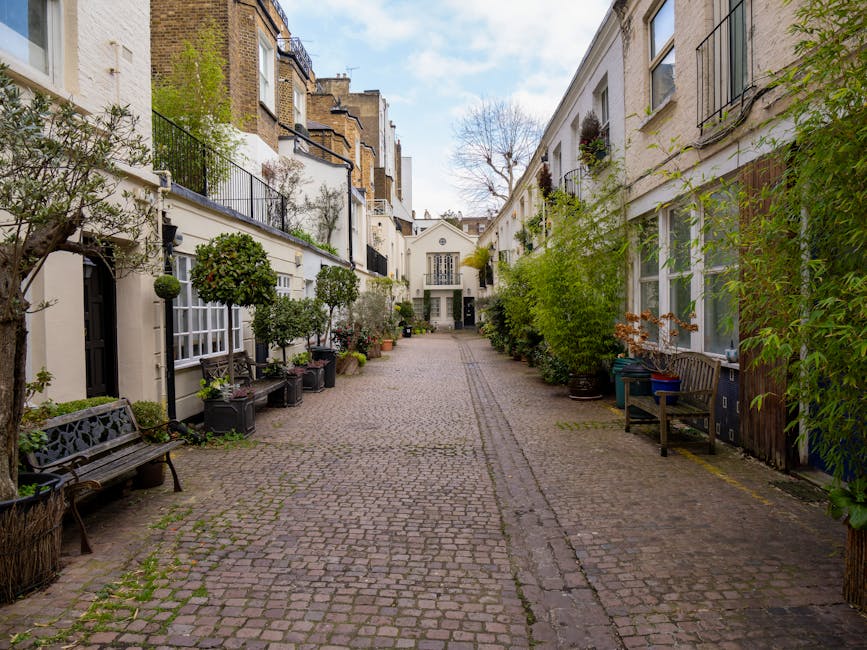
If you are trying to make a tiny courtyard feel calmer, greener, and easier to live with, you already know the challenge: every inch matters. That is exactly why so many people look to find local gardeners near Carnaby Street for small courtyards rather than trying to tackle the job alone. A compact Soho courtyard can be stylish and useful, but only if planting, layout, drainage, and maintenance all work together. Done well, it stops being a forgotten patch of paving and starts behaving like a proper outdoor room.
In this guide, you will learn how local gardeners approach small urban spaces, what to ask before booking, which services are actually worth paying for, and how to avoid common mistakes. We will keep it practical, because let's face it, a courtyard near Carnaby Street is not a country garden. It needs sharper planning, smarter plant choices, and a bit of restraint.
Why Find local gardeners near Carnaby Street for small courtyards Matters
Small courtyards in and around Carnaby Street face a very specific set of conditions. Space is limited, natural light is often patchy, and nearby buildings can create wind tunnels or shady corners that stay damp. A generic gardening approach can make things worse. Too many plants, too much furniture, or the wrong hard landscaping can crowd the area and make it feel smaller than it is.
Local gardeners understand these urban constraints in a way that is hard to fake. They know that a courtyard beside busy central London streets needs more than a quick tidy-up. It needs a layout that respects sightlines, privacy, access, and drainage. A good gardener will also know which materials wear well in a high-traffic city setting, and which plants can cope with irregular sunlight, reflected heat, and the occasional dry spell when you forget to water for a couple of days. It happens.
There is also a lifestyle angle. Many courtyard owners want a space that feels usable from spring through winter, even if it is only a few square metres. That might mean a bench tucked into a quiet corner, a vertical planting screen, or a simple container scheme with structure all year. For planning ideas, you may also find it useful to look at an introduction to the craft of container gardening and evergreen climbers for dimly lit corners.
Expert summary: Small courtyards near Carnaby Street work best when gardeners design for light, drainage, privacy, and maintenance first, then add planting and decorative detail on top.
How Find local gardeners near Carnaby Street for small courtyards Works
The process is usually simpler than people expect, though the details matter. You contact a local gardening team, describe your courtyard, and share a few photos if possible. A decent gardener will ask about sunlight, access, drainage issues, pets, desired use, and whether you want one-off help or regular maintenance. That first conversation tells you a lot.
For small courtyards, the site visit matters more than in larger gardens. A gardener may spot shallow soil depth, blocked drainage points, loose paving, or plant stress caused by reflected heat from walls. They should also notice where water collects after rain and where wind seems to hit hardest. In compact spaces, those details shape everything else.
Once the site is understood, the work may include clearing overgrowth, refreshing containers, cleaning hard surfaces, improving soil, adding edging, trimming back plants, or redesigning the whole layout. If the courtyard needs a more substantial refresh, a broader garden maintenance service in Soho or a targeted landscaping service may be more appropriate than a simple tidy.
In our experience, the best results come when the gardener treats the courtyard like a room with zones: a place to sit, a place to grow, and a clear path through it. That sounds obvious, but it is often the missing piece.
Key Benefits and Practical Advantages
Hiring a local gardener for a small courtyard is not just about making it look neat. There are practical gains that show up every day, especially in a dense central London setting.
- Better use of space: A small courtyard can feel twice as usable when planting, seating, and circulation are arranged properly.
- Healthier plants: The right species for shade, wind, or container life will usually outperform a random mix of attractive but unsuitable plants.
- Less ongoing work: Good design reduces pruning, deadheading, and rescue jobs later on.
- Improved privacy: Strategic screening can soften views from neighbouring windows without making the courtyard feel boxed in.
- Cleaner surfaces: Moss, algae, leaf litter, and mud can be managed before they become slippery or unsightly.
- More year-round enjoyment: Evergreen structure, winter interest, and sensible lighting choices keep the space usable beyond summer.
There is another benefit that often gets overlooked: confidence. Once a professional has set the courtyard up properly, maintenance becomes much less intimidating. If you are new to gardening, you may also appreciate essential tips for new gardeners and simple steps for efficient weed control.
Who This Is For and When It Makes Sense
This kind of service is a strong fit for several types of property owners and tenants:
- People with a tiny courtyard that feels cluttered or unfinished
- Flat owners wanting a smart outdoor area without a full landscape rebuild
- Landlords preparing a rental property for viewings
- Hospitality venues or offices that need a tidy, welcoming exterior space
- Busy residents who want maintenance handled properly instead of patching things themselves
It also makes sense if your courtyard has specific problems. Maybe the space gets too much wind, maybe it barely sees the sun, or maybe everything dries out too quickly in summer. In a small area, one weak point can affect the whole design. A gardener familiar with urban conditions can work around those limitations rather than fighting them.
Truth be told, many people wait too long. They live with a slightly awkward space for years because they think it needs a "big renovation." Often it does not. A clever rework of plant choice, container placement, and surface cleaning can transform the feel of the courtyard without a dramatic overhaul.
Step-by-Step Guidance
If you are ready to book someone, here is a sensible way to approach it.
- Assess what the courtyard actually needs. Is it a cleanup, a design refresh, ongoing care, or a mix of all three?
- Take clear photos. Capture the whole space, the problem areas, and anything that might matter, such as drains, walls, steps, or seating.
- List the constraints. Note shade, wind exposure, water pooling, pet access, and any access issues for tools or materials.
- Decide your goal. Do you want low-maintenance greenery, privacy, a social seating area, herb planting, or a calm retreat?
- Ask for a site visit or detailed quote. A proper look at the space is worth more than a vague price over the phone.
- Discuss maintenance expectations. Some courtyards need monthly care; others just need seasonal visits and occasional pruning.
- Agree on materials and plant choices. Small spaces reward restraint. One strong concept usually beats five competing ideas.
- Plan the finish. Ask how the gardener will leave the site: cleared waste, cleaned paving, and a simple maintenance note are all helpful.
If you prefer a broader refresh, ask whether the work should be coordinated with patio cleaning or a full gardening services package. A courtyard often benefits from both plant care and hard-surface care at the same time.
Expert Tips for Better Results
Small courtyards are unforgiving in a good way. They show every decision. That is why the best gardeners think in layers.
Choose structure before colour
In a cramped courtyard, evergreen shrubs, clipped forms, trellises, and container shapes provide the framework. Flowers can come later. Without structure, the area can look busy and oddly temporary.
Use vertical space carefully
Walls are valuable real estate. Climbers, wall-mounted planters, and slim screening can add depth without crowding the floor. For darker corners, vertical gardening ideas can be surprisingly useful, even outside.
Think about maintenance as part of the design
A courtyard that needs constant fussing is rarely a good courtyard. Ask for plants and materials that suit your actual routine, not your best-intentioned version of it. That sentence stings a bit, but it is usually true.
Protect the space from weather quirks
Central London weather can be mild one day and blustery the next. If your courtyard is exposed, discuss wind protection and winter resilience. Helpful reading includes managing wind in your backyard and defending your garden against weather damage.
Use containers with discipline
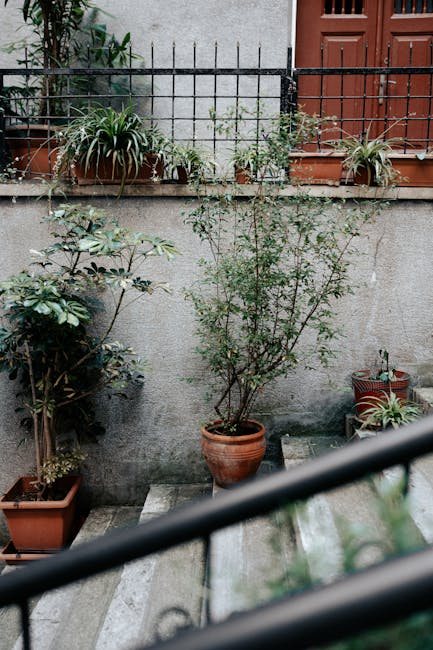
Containers are ideal for courtyards, but too many can turn into visual noise. Use a limited palette of pot sizes and materials. A neat group of three or five often looks more considered than a random collection.
Leave breathing room
People often overplant because they want instant impact. But a tiny space needs pauses as much as planting. Blank space, clean paving, or a simple bench can make the greenery look more generous.
Common Mistakes to Avoid
We see the same issues again and again. Easy to make, a bit annoying to undo.
- Overfilling the courtyard: Too many pots, chairs, and ornaments can kill the sense of space.
- Ignoring drainage: Standing water damages roots, stains paving, and creates slippery surfaces.
- Choosing plants for looks only: A plant that hates shade, wind, or dry containers will struggle quickly.
- Forgetting access: Courtyards still need room for cleaning, pruning, and moving things around.
- Using the wrong surfaces: Some materials look good on day one and miserable after a wet winter.
- Skipping seasonal care: A small courtyard can go from sharp to scruffy very quickly if nothing gets trimmed back.
Another common mistake is assuming that all gardeners do the same kind of work. They do not. Some are brilliant at planting design, others are better with maintenance, and some are especially skilled at hard landscaping or structural jobs. If your space needs more than routine care, check whether the team also handles decking services, fencing, or tree surgery.
Tools, Resources and Recommendations
For a small courtyard, the right tools are often simple. The trick is to use them well and not buy a pile of gear that ends up collecting dust in a cupboard.
- Hand tools: secateurs, a small trowel, a hand fork, and a compact rake are usually enough for regular upkeep.
- Containers and liners: lightweight, durable pots are easier to reposition and less likely to crack in cold weather.
- Watering tools: a watering can with a rose attachment is often better than a heavy hose in tight spaces.
- Mulch or top dressing: helps retain moisture and keeps containers looking finished.
- Shade or screening materials: useful where neighbours overlook the courtyard or where the afternoon sun is harsh.
If you are the hands-on type, you may also enjoy learning the basics of indispensable gardening equipment. For planting inspiration, the following guides can help:
- ground cover plants for UK gardens
- fast-growing privacy hedges
- growing a successful herb haven
- pest and disease control in your garden
For general project planning, it is worth looking at pricing and quotes and the company's about us page. It helps to know who you are dealing with before work starts, obvious but useful.
Law, Compliance, Standards, or Best Practice
Garden work in London is usually straightforward, but there are still sensible standards to keep in mind. Reputable gardeners should work safely, handle waste responsibly, and avoid causing damage to shared access routes, neighbouring properties, or building services. If the courtyard is in a managed block, lease, or shared property, check whether any permissions are needed before major changes are made.
Where power tools, ladders, sharp tools, or heavy materials are involved, safe working methods matter. A professional team should be able to explain how they manage site safety, tool handling, and clean-up. If you are comparing providers, it is reasonable to ask about insurance, health and safety practices, and how waste is removed from site. For a little extra confidence, review the site's insurance and safety information and health and safety policy.
For customer-facing standards, things like clear pricing, fair communication, accessibility, and complaint handling are all good signs. You can also review terms and conditions, privacy policy, cookie policy, accessibility statement, and complaints procedure. That may sound a bit dry, yes, but it is part of a trustworthy service.
If payment matters to you, there is also value in checking payment and security. Simple enough, but worth the glance.
Options, Methods, or Comparison Table
Not every courtyard needs the same type of help. Here is a simple comparison to make the choice easier.
| Approach | Best for | Pros | Watch-outs |
|---|---|---|---|
| One-off tidy and reset | Overgrown or neglected courtyards | Quick improvement, lower upfront commitment | May not solve layout or drainage issues |
| Design-led refresh | Spaces that feel awkward or unbalanced | Better flow, better planting logic, stronger visual impact | Needs clear brief and realistic budget |
| Regular maintenance | Courtyards that already work but need upkeep | Consistent appearance, healthier plants, less stress for owner | Less dramatic change at first glance |
| Hard landscaping plus planting | Courtyards needing structural improvement | Fixes surfaces, borders, and layout together | More planning, possible access constraints |
If the courtyard is mostly unused because it feels too exposed or bare, a calmer design direction may help. A zen garden haven approach can work well in a small footprint. If the goal is a sociable corner, then seating ideas are worth exploring before you buy any furniture.
Case Study or Real-World Example
A typical small-courtyard project near Carnaby Street might start with a space that has pale paving, a couple of tired containers, and one awkward wall that gets very little sun. The owner wants more greenery, a little privacy, and somewhere to sit with a morning coffee without feeling watched from above.
The gardener begins by clearing clutter and checking the drainage points. Then they reduce the number of containers, replacing a mixed pile with a more deliberate arrangement: one tall evergreen for structure, a climber on the wall for vertical interest, lower containers for seasonal planting, and a small bench positioned where the light is best in the early part of the day. The whole space feels calmer at once. Not bigger, exactly. Just better.
In a case like that, the real win is not a dramatic "before and after" moment. It is the way the courtyard becomes useful. There is less visual noise, less maintenance, and fewer decisions to make every weekend. That matters more than people think.
And if the courtyard needs a second pass later in the year, seasonal adjustments are easy: swap in winter-ready plants, trim back climbers, and refresh the surface. You do not need to reinvent the space every time. Thank goodness.
Practical Checklist
Before you book a gardener, use this checklist to stay organised.
- Take clear photos of the courtyard from several angles
- Note how much sunlight the space gets during the day
- List any drainage, wind, shade, or privacy problems
- Decide whether you want tidy-up, design, planting, or maintenance
- Measure the basic dimensions if you can
- Ask what happens to green waste and debris
- Confirm whether the gardener carries insurance and works safely
- Check if the service suits shared access or building rules
- Ask how much upkeep the final design will need
- Request a clear written quote or scope of work
For some people, the best next step is a maintenance visit. For others, it is a full redesign. A bit of honest assessment now saves disappointment later.
Conclusion
Finding the right gardener for a small courtyard near Carnaby Street is less about hiring the biggest team and more about choosing someone who understands compact urban spaces. The best local gardeners know how to work with shade, wind, awkward access, and limited room without making the courtyard feel overdesigned or cluttered. They can turn a cramped patch into a place that feels neat, private, and genuinely pleasant to use.
If you take one thing from this guide, make it this: small courtyards reward precision. A few smart decisions beat a dozen rushed ones. Ask clear questions, look for practical experience, and focus on maintenance as much as appearance. That is how you get a courtyard that keeps working for you, not just looking good for one afternoon.
Get a free quote today and see how much you can save.
And if you are standing in the courtyard right now, cup of tea in hand, trying to imagine what it could become, that is usually the right place to start.


Amanda, a professional gardener renowned for her organizational abilities and meticulous attention to detail, is highly proficient in landscaping. Her contributions as an author have helped countless individuals relish their exquisite gardens.