.jpg "Gardeners Soho")


Avoid hidden charges in Soho gardeners quotes
Posted on 18/10/2026
If you have ever opened a gardening quote and felt that slight stomach-drop moment, you are not alone. In Soho, where outdoor space can be compact, access can be awkward, and jobs vary wildly from one garden to the next, it is easy for costs to become fuzzy fast. The good news is that Avoid hidden charges in Soho gardeners quotes is not about distrusting every contractor; it is about knowing what should be included, what should be clarified, and what should be written down before work starts.
This guide walks you through the real-world way to spot vague pricing, compare estimates properly, and ask the right questions without sounding difficult. You will learn how quotes are usually built, where surprise add-ons creep in, and how to protect your budget while still getting good work done. To be fair, most issues come from unclear assumptions, not bad intent. That said, clear paperwork matters.
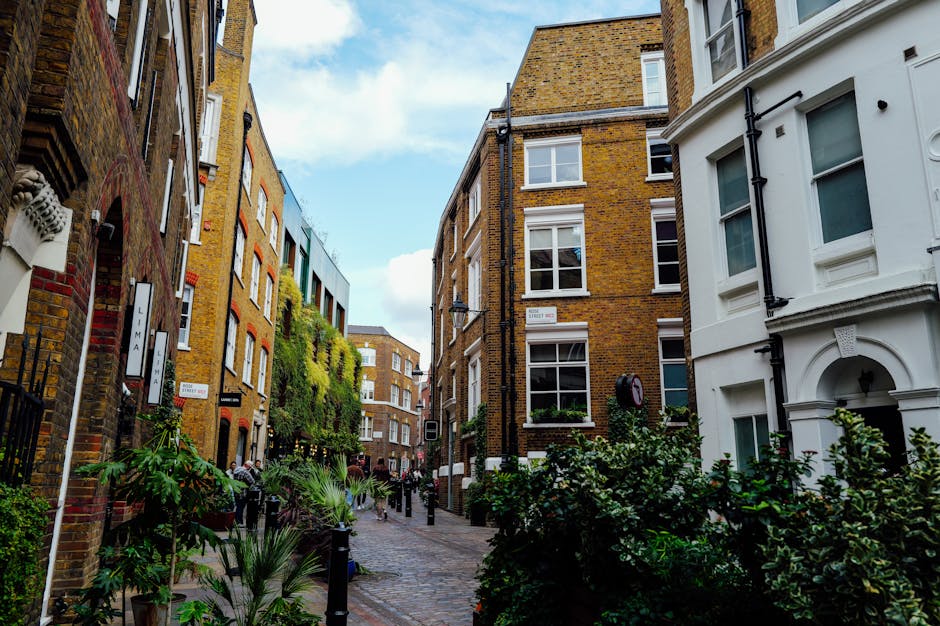
Why Avoid hidden charges in Soho gardeners quotes Matters
Garden work is often priced around time, access, labour, waste removal, materials, and the complexity of the site. If any one of those is left vague, the final bill can drift. A quote that looks neat on the page may still leave room for "extras" if it does not say exactly what is included.
That matters even more in Soho. Access might be via a narrow side passage, parking may take time to arrange, and some jobs need more care because of neighbouring properties, planters, decking, or shared surfaces. A small patio clean may sound simple until someone discovers furniture moving, stain treatment, or tricky water access. Suddenly, the quote is no longer simple. Funny how that happens.
Clear quoting also helps you compare gardeners fairly. Without itemised details, one price can look cheaper while actually excluding waste disposal or preparation. Another may seem expensive but include everything. Comparing like with like is the whole game.
If you are planning ongoing maintenance, it can also help to read related advice on getting the basics right as a newer garden owner and on keeping garden improvements affordable without cutting corners. Those ideas work hand in hand with quote checking.
How Avoid hidden charges in Soho gardeners quotes Works
The process is straightforward once you know what to look for. A proper quote should explain the job, the labour involved, any materials or plants, and any conditions that could affect the price. That might include site access, garden size, green waste removal, specialist tools, or whether the gardener is expected to dispose of cuttings and debris.
Hidden charges usually appear when the original estimate is based on assumptions. For example:
- The gardener assumes waste bins are already available, but you expected full removal.
- The job is priced as a standard tidy-up, yet the garden needs deep weeding first.
- Hedge trimming seems routine, but tall growth needs ladders or extra safety measures.
- A service is quoted for one visit, while you expected recurring maintenance.
- Materials are not itemised, so the final invoice adds plants, compost, fixings, or treatment products.
Some companies provide a fixed quote after a site visit. Others give an estimate that can change if the work scope changes. Both are normal in the trade, but they are not the same thing. A fixed quote is clearer for budgeting. An estimate can still be useful, provided you know the boundaries.
It helps to ask whether the quote is inclusive or itemised. Inclusive quotes bundle everything together. Itemised quotes break down labour, materials, waste, and extras separately. In practice, itemised pricing often makes hidden charges easier to spot because you can see what is and is not covered.
Key Benefits and Practical Advantages
Getting clarity up front is not just about avoiding surprise costs. It changes the whole experience of hiring help for your garden.
- Better budgeting: You can plan around a price you actually understand.
- Fair comparison: Two quotes can be judged on the same basis.
- Fewer disputes: When the scope is clear, there is less room for disagreement later.
- Better quality decisions: You can see whether a low quote is low because it excludes essential work.
- More confidence: You know what to expect before anyone starts digging, cutting, or clearing.
There is also a subtle benefit people miss. Clear quotes often lead to better work. When a gardener knows that you expect a detailed breakdown, the job tends to be scoped more carefully. Not always, of course, but often enough to matter.
This is especially useful for mixed projects, such as a maintenance visit that also includes hedge work, path cleaning, or a small landscaping refresh. If the job touches several different tasks, a vague quote can become a headache. For that reason, it is worth looking at service-specific pages such as garden maintenance in Soho, hedge trimming in Soho, and patio cleaning in Soho when you are matching the quote to the work required.
Who This Is For and When It Makes Sense
Anyone hiring a gardener benefits from clearer pricing, but some people need this approach more than others.
- Homeowners with small city gardens: Tight access and compact spaces can hide extra labour.
- Landlords and letting agents: You need predictable costs and simple invoicing.
- Busy professionals: If you are booking remotely, you need the scope written out so nothing gets forgotten.
- People arranging one-off clearance: One-off jobs are where surprise extras most often appear.
- Customers comparing several quotes: Clarity makes side-by-side comparison possible.
- Anyone with specific expectations: For example, waste removal, clearance to a certain standard, or seasonal work.
It also makes sense when the work is more than a basic mow or tidy. If you are planning something involving general gardening services, lawn care, lawn mowing, or landscaping, the details matter. A lot.
Step-by-Step Guidance
Here is the practical part. Use this process before you agree to any gardening quote.
1. Describe the job properly
Start with the basics: what needs doing, how big the space is, and whether there are any awkward features such as steps, narrow access, heavy pots, or fragile planting. A gardener cannot price what they do not know. That sounds obvious, yet it gets missed all the time.
2. Ask what is included
Do not assume a quote covers waste removal, tools, fuel, materials, parking, or follow-up visits. Ask directly. The answer should be plain English, not a cloud of technical words that somehow avoid giving a straight answer.
3. Request an itemised breakdown
Ask for labour, materials, disposal, and any extras to be listed separately. This is the best way to see if the price is fair. If a gardener prefers a bundled quote, ask for a written summary of inclusions and exclusions.
4. Clarify possible extra charges
This is the moment to ask, "What could make this cost more?" Good questions include:
- Is waste removal included?
- Are plants or compost extra?
- What if the job takes longer than planned?
- Do you charge for travel or parking?
- Will you need specialist tools or access equipment?
5. Confirm the schedule
Sometimes hidden charges are really timing issues in disguise. If the work is split over several visits, confirm whether each visit is billed separately. If the gardener is only coming once, make sure that is reflected in the quote.
6. Get the final version in writing
Once you are happy, save the agreed quote and any message thread that clarifies the job. Email is usually best. A quick note on a phone call can be forgotten by tea time; a written record is harder to argue with later.
7. Check the invoice against the quote
When the job is done, compare the invoice to the agreed scope. If something changed, there should be a clear reason. If there was no discussion about an extra task, query it before paying.
Expert summary: The cleanest way to avoid hidden charges is simple: define the work, confirm what is included, ask what could change the price, and keep it in writing. Most billing surprises disappear at that point.
Expert Tips for Better Results
After seeing a lot of quote requests, a few habits stand out as genuinely useful.
- Ask for a site visit on anything beyond a tiny job. Photos help, but they do not always reveal access problems or hidden waste.
- Be honest about the condition of the garden. A "small tidy" that is actually a jungle will not stay small for long.
- Separate urgent work from optional work. That lets you choose what to prioritise without muddling the estimate.
- Compare more than price. Clarity, reliability, insurance, and communication all matter.
- Watch for vague wording. Phrases like "subject to change" or "materials as required" are not automatically bad, but they need follow-up.
If your quote involves structural or higher-risk work, take extra care. For example, hedge work or tree-related tasks can carry safety and access implications. You may find it helpful to review insurance and safety information and the wider health and safety approach before agreeing anything more involved.
One practical tip that saves money: ask whether the gardener can suggest staged work. Sometimes a bigger job can be broken into phases, which keeps the first quote manageable and prevents rushed add-ons. It is not always the right answer, but it often is.

Common Mistakes to Avoid
Most hidden-charge problems start with one of these mistakes.
- Accepting a quote that is too vague. If the scope is fuzzy, the price is too.
- Assuming waste removal is automatic. It often is not.
- Ignoring access issues. In Soho, this can be the biggest cost factor by far.
- Not asking about materials. Soil, compost, plants, mulch, fixtures, and treatments can all add up.
- Failing to confirm VAT or taxes where relevant. Make sure you know whether the price is final.
- Comparing quotes that are not equivalent. A cheaper quote may simply be missing half the job.
There is one more mistake that catches people out: changing the job after the quote has been agreed, then acting surprised when the price changes. That is fair enough if the scope genuinely changes, but it should be discussed first. Communication saves everyone a bit of irritation.
Tools, Resources and Recommendations
You do not need complicated software to keep on top of a quote. A simple approach works best.
- A notes app or email thread to record the agreed scope.
- Photos of the garden from several angles, including access points.
- A short written checklist of what you want done, what should be left alone, and what should be removed.
- Measurements where useful, especially for lawns, beds, hedges, or patio areas.
- Seasonal awareness, since winter work, wet weather, or storm damage can affect labour time.
For practical gardening context, a few related articles can help you understand what affects job scope and pricing. For example, winter plant protection can change the kind of maintenance needed, while weather damage guidance explains why emergency work may be more involved than a simple tidy-up. If your project involves trimming, the article on landscape design through hedge trimming is also worth a look.
And yes, one of the best tools is still a good old-fashioned question: "Can you show me exactly what that price includes?" It works more often than people think.
Law, Compliance, Standards, or Best Practice
For most domestic gardening quotes, the main concern is not a complex legal structure. It is clarity, fairness, and consumer-friendly communication. Still, a few best-practice points are worth keeping in mind.
Written terms should make it obvious what happens if the scope changes, how waste is handled, and whether the quote is fixed or estimated. If a contractor is working at height, using power tools, removing heavy waste, or handling potentially risky tasks, safety expectations should be clear too. That is where insurance and a sensible health and safety approach matter.
Best practice also includes transparent cancellation or complaint handling. If something goes wrong, you want to know who to speak to and how the issue will be handled. Pages such as terms and conditions, complaints procedure, and payment and security are useful because they show how the business handles expectations around payments and service issues.
For privacy and data handling, it is also sensible that any company you deal with has a clear privacy policy and cookie policy. That is not about hidden garden charges, of course, but it does signal a business that is used to operating professionally.
Finally, if your work involves fencing, trees, or bigger external changes, be especially careful about assumptions. A quote should tell you whether disposal, fixings, labour, and any site-related complications are covered. No mystery maths, please.
Options, Methods, or Comparison Table
Different quoting styles suit different jobs. Here is a simple comparison to help you decide what you want to ask for.
| Quote type | What it means | Best for | Watch out for |
|---|---|---|---|
| Fixed quote | One agreed price for the described job | Clear, well-defined tasks | If the scope changes, price may change too |
| Estimate | A likely price that may move if conditions change | Unusual or uncertain jobs | Needs tighter questions about exclusions |
| Itemised quote | Separate costs for labour, materials, waste, and extras | Comparing suppliers and spotting extras | Can look more detailed than necessary for tiny jobs |
| Bundle or package | Several tasks grouped into one figure | Ongoing maintenance or repeat visits | Check that each task is actually included |
If you are weighing up services like tree surgery, fencing, or decking services, an itemised quote is usually the safest starting point. Those jobs tend to hide more variables than a simple mow.
Case Study or Real-World Example
Here is a realistic example from a typical Soho request.
A homeowner asked for a quote to clear a small back garden after several months of neglect. On the surface, it sounded like a standard tidy-up: cut back overgrowth, weed the beds, remove debris, and sweep the patio. The first estimate looked affordable.
But once the gardener visited, three things changed the picture. First, access was through a narrow side passage, so waste had to be moved carefully by hand. Second, the patio had slippery patches that needed more than a quick sweep. Third, the garden contained more waste than expected, meaning disposal took longer and required more bags.
Because those details were discussed before work began, the final price changed only slightly and the customer understood why. No awkward moment at the end. No "I thought that was included." Just a clear job, done properly.
That is the whole point. Hidden charges are rarely mysterious once the job is properly scoped. Most of the time, they are just missing details wearing a fake moustache.
Practical Checklist
Use this checklist before you accept any gardening quote.
- Have I described the job clearly and fully?
- Do I know whether the quote is fixed or estimated?
- Have I confirmed labour, materials, waste removal, and parking?
- Have I asked what could cause the price to increase?
- Is the quote written down and easy to refer back to?
- Are access issues, timings, or site conditions mentioned?
- Do I know whether VAT, fees, or extras are included?
- Have I compared the quote with at least one alternative on the same basis?
- Do I understand the payment terms?
- Would I still be happy with the quote if one small detail changed?
Quick practical tip: If a quote feels unclear, ask for one revised version rather than trying to decode it line by line. Sometimes a cleaner rewrite is easier for everyone, and it saves you a headache.
Conclusion
To avoid hidden charges in Soho gardeners quotes, focus on clarity before commitment. Define the work, ask what is included, check for exclusions, and keep the agreement in writing. That simple habit protects your budget, reduces stress, and makes it easier to choose the right gardener for the job.
In a place like Soho, where gardens can be small but surprisingly complicated, a clear quote is worth its weight in compost. It gives you confidence, and it gives the gardener a fair brief. Everyone wins, really.
Get a free quote today and see how much you can save.
And if you are still planning the wider job, it may help to explore more on the team behind the service and the practical gardening ideas across the site. A little preparation now can make the whole process feel a lot calmer later on.


Amanda, a professional gardener renowned for her organizational abilities and meticulous attention to detail, is highly proficient in landscaping. Her contributions as an author have helped countless individuals relish their exquisite gardens.