Avoid common access problems for gardeners in Soho mews
Posted on 19/11/2026
Gardening in a mews can be rewarding, but let's be honest: access can make or break the whole visit. Narrow entrances, shared courtyards, awkward gate positions, low overhangs, bin stores, parked vehicles, and not-quite-enough turning space all create small delays that add up fast. If you want to avoid common access problems for gardeners in Soho mews, the answer is rarely one dramatic fix. It is usually a mix of careful planning, clear communication, and a few practical tweaks that save time, reduce stress, and keep everyone safe.
In this guide, we'll walk through the access issues gardeners actually run into, why they matter, and how to handle them properly. You'll also find a step-by-step approach, a comparison table, a real-world example, and a checklist you can use before the next visit. If your garden is tucked behind a narrow passage or accessed through a shared entrance, this should help a lot.
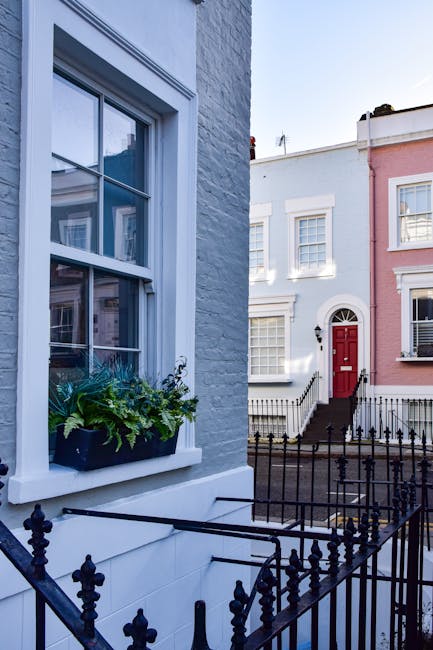
Why Avoid common access problems for gardeners in Soho mews Matters
Access is not just a convenience issue. In a Soho mews, it affects timing, safety, finish quality, neighbour relations, and cost control. A gardener who can move tools, waste, plants, and materials in a steady flow will usually do a better job than someone constantly stopping to work around a bottleneck. That sounds obvious, but in tight city spaces it's easy to underestimate how much time is lost to a gate that sticks, a path that is too narrow for a barrow, or a delivery point that is nowhere near the actual working area.
There is also the human side. Shared entrances and closely packed homes mean one awkward visit can ripple outward. A gate left open, a hose trailing across a walkway, or a tool bag blocking a passage can become a problem for residents, visitors, and neighbours. To be fair, most access issues are simple to prevent once people talk them through early.
For gardening teams working in central London, access planning also affects what can realistically be completed in one visit. If the route in is awkward, you may need smaller equipment, more time for setup and takedown, or a different schedule altogether. That is not a flaw; it is just the reality of mews work. And if you plan properly, the job still flows.
It's a bit like trying to carry a ladder through a crowded cafe. Possible? Sometimes. Pleasant? Not really.
How Avoid common access problems for gardeners in Soho mews Works
The practical goal is simple: make the journey from street to garden as predictable as possible. That usually means identifying every pinch point before the visit, agreeing who can unlock what, and choosing equipment that suits the space rather than fighting against it. A good access plan starts before anyone arrives on site, not after they are already standing at a locked side gate with a wheelbarrow full of soil.
In real terms, an access-friendly gardening visit often works like this:
- The client describes the entrance, gate width, parking limits, shared areas, and any restrictions.
- The gardener checks whether larger tools, sacks, ladders, or plant deliveries can physically fit through the route.
- Any timed access issues are identified, such as residents coming and going, concierge arrangements, or quiet hours.
- The team selects the most suitable kit, often favouring compact tools, lighter loads, and smaller waste movements.
- On the day, everything is brought in and out in a controlled sequence to avoid clutter and repeated trips.
That sequence sounds neat on paper, and in a well-run job it really does reduce the drama. You may still hit the odd surprise - a stuck latch, a sudden delivery, someone leaving a bin in the way - but the job will recover much more quickly.
Access planning also ties in with the type of garden work being done. For example, hedge trimming and tree work often need different access considerations than routine weeding or container care. If you are planning a larger tidy-up, a broader project like garden maintenance in Soho may need a more detailed walk-through than a simple seasonal refresh.
Key Benefits and Practical Advantages
Getting access right is one of those unglamorous things that creates very visible results. The work may be behind the scenes, but the benefits show up all over the place.
- Less wasted time: fewer blocked routes, fewer double-handling trips, and less waiting around.
- Better safety: fewer trip hazards, better tool handling, and reduced risk when moving materials in tight spaces.
- Cleaner finishes: when the team can move properly, they can focus on the actual gardening rather than improvising.
- Less neighbour friction: tidy movement and sensible timing help keep shared spaces calm.
- Improved scheduling: clear access helps estimate how long a task will take, which is useful for everyone.
- Lower damage risk: fewer bumps to walls, railings, paving, glazing, and gates.
There's another benefit people sometimes miss: access planning can protect the plants. If a delicate border is repeatedly squeezed past by bags, tools, or ladders, it gets battered. If the route is thought through properly, your planting areas stay better intact. This matters especially where space is tight and every square metre earns its keep.
In gardens with seasonal planting, a careful route also helps preserve structure. If you are thinking about winter protection or creating stronger planting layers, it can be worth reading about keeping garden plants safe in winter and container gardening basics, both of which fit neatly with constrained mews spaces.
Who This Is For and When It Makes Sense
This topic matters to a few different people. If you recognise yourself in any of these, it is worth paying attention now rather than during the visit.
- Homeowners in a Soho mews who want reliable gardening without disruption.
- Landlords and property managers coordinating regular upkeep across shared access points.
- Gardeners and landscapers who need to plan efficient visits and avoid preventable delays.
- Residents in shared or semi-shared courtyards where communication really matters.
- Anyone arranging larger jobs such as hedge trimming, planting, clearance, or redesign work.
It makes the most sense when the space has one or more of the following: narrow alley access, steep steps, uneven paving, limited parking nearby, locked gates, sensitive neighbours, or restricted working hours. In other words, most mews settings, to be fair.
If you are planning a more ambitious refresh, it may also help to look at broader project pages like landscaping in Soho or specialist work such as hedge trimming in Soho, because the access needs can change depending on what is being done.
Step-by-Step Guidance
If you want to avoid common access problems for gardeners in Soho mews, follow a simple process. Nothing fancy. Just thorough.
- Map the route in and out. Measure gate widths, note steps, check door swings, and identify any tight turns. If a wheelbarrow fits by an inch, that inch matters.
- Confirm keys, codes, and permissions. Make sure the gardener knows who is opening the gate, which entrance is in use, and whether any shared access rules apply.
- Flag parking and unloading limits. A team can work far more efficiently if they know where they can stop, for how long, and whether they need to carry everything by hand from the kerb.
- Reduce the number of bulky items. Split compost, soil, gravel, and waste into manageable loads. Use smaller bags when needed. It is slower on paper, but usually faster overall in a mews.
- Protect the shared route. Put down covers or mats if a path is fragile, slippery, or frequently used. This is especially helpful during wet weather.
- Agree the working sequence. Decide what comes in first, what stays near the entrance, and what gets removed last. That way the route doesn't collapse into clutter halfway through the job.
- Leave time for clearing down. The exit is part of the job. A tidy departure helps more than people think.
One small but useful habit: take a quick phone photo of the access route during the first visit. It saves a surprising amount of guesswork next time. Not glamorous, but very effective.
Expert Tips for Better Results
In our experience, the smoother jobs in Soho mews tend to have three things in common: everyone knows the access route, the tools are scaled to the space, and no one assumes the layout will "just be fine." That last one causes more trouble than anything else.
Choose compact equipment where possible
Smaller tools are not a compromise when the site is tight; they are often the smart choice. A lightweight mower, folding hand tools, slim bags, and a short ladder can save more time than heavy gear that barely fits through the gate. For more background on choosing the right kit, see essential gardening equipment.
Separate plant work from waste removal
When materials, clippings, and new plants are all moving at once, access gets messy very quickly. Better to stage the work in phases. Bring materials in, complete the main task, then remove waste last. Simple, but it works.
Protect eye level and shoulder level space
People often focus on floor width and forget about overhangs, awnings, lighting fittings, and tall railings. These are the things that snag bags, scrape foliage, and catch ladders. A space can look open enough and still be awkward in practice.
Build in a weather margin
Rain changes everything. Wet paving, slick steps, muddy shoes, and damp cardboard all make access slower. If the job depends on several trips, give yourself breathing room. A little margin is better than a rushed finish at 4:55 pm in drizzle.
Keep communication blunt and clear
Not rude. Just clear. "Use the rear gate only," "Leave bins to the left," and "Call before unloading" are far more useful than vague instructions. A good briefing saves everyone from that awkward five-minute circle around the block.
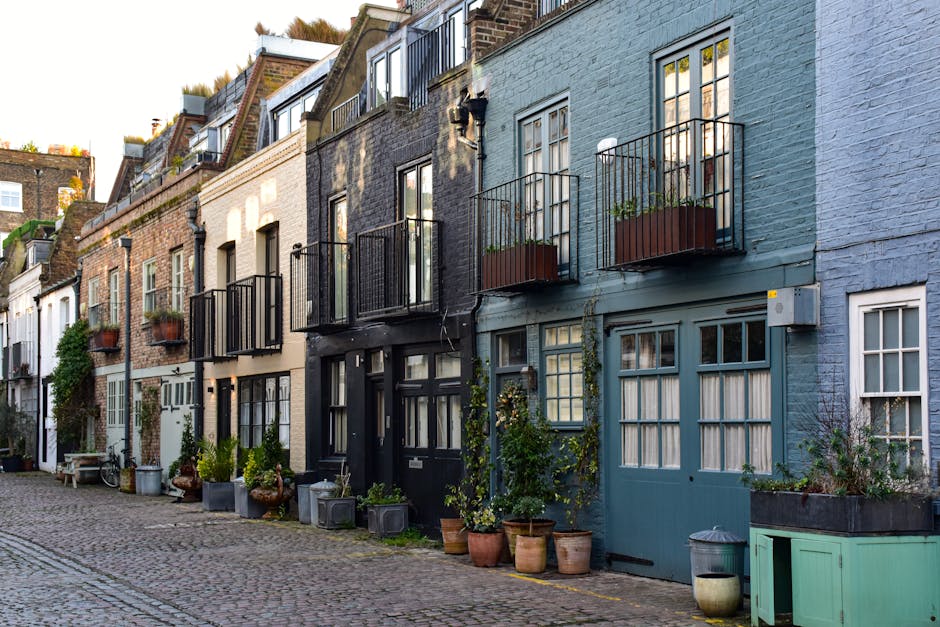
Common Mistakes to Avoid
This is where a lot of avoidable friction starts. Most access problems are not dramatic failures. They are little oversights that snowball. Annoying, yes. Very preventable too.
- Assuming the route is obvious. What looks obvious to the resident may be confusing to a first-time gardener.
- Forgetting about shared users. Neighbours, cleaners, delivery drivers, and visitors all affect the same path.
- Using oversized tools out of habit. Bigger is not better in a narrow mews. Sometimes it is just harder.
- Not checking for obstacles at the time of day the visit will happen. A route that is clear at noon may be blocked by 8:30 in the morning.
- Leaving waste plans until the end. Waste has to move somewhere, and if you haven't planned it, it will choose an inconvenient place.
- Underestimating how long access takes. In a compressed site, setup and pack-down can take a proper chunk of the appointment.
One common mistake is trying to solve access with force instead of sequencing. You know the type of thing: "We'll just squeeze it through." That approach often ends with a scuffed wall and a bad mood. Better to pause and rethink it.
Tools, Resources and Recommendations
You do not need a warehouse of equipment. In fact, too much kit can make access worse. The aim is to keep things lean, mobile, and suitable for the site.
| Tool or resource | Why it helps in a mews | Best used for |
|---|---|---|
| Foldable hand tools | Easy to carry through tight entrances | Pruning, planting, edging, light maintenance |
| Compact waste bags | Reduce bulk and awkward handling | Clippings, leaves, and light clearances |
| Short-step ladder | Safer in confined spaces than oversized ladders | Hedges, overhead trims, inspections |
| Door mats or ground protection | Helps protect shared floors and paths | Wet weather, fragile paving, high-traffic routes |
| Measuring tape | Removes guesswork on clearance and turning room | Route checks before bigger jobs |
For readers planning a full refresh rather than routine care, service pages such as gardening services in Soho, patio cleaning in Soho, and fencing in Soho can be useful touchpoints when access and layout are part of the wider job.
You may also find it helpful to read about starting a garden makeover journey if your access problem is tied to a larger redesign. Sometimes the best access fix is not a workaround; it is a smarter layout.
Law, Compliance, Standards, or Best Practice
Access work in a mews can touch on safety, shared responsibility, and property boundaries, so it is wise to keep the basics in mind. This is not legal advice, and specific rules can vary by property setup, but a few general best practices are worth following.
First, respect shared access arrangements. If an entrance, passage, or courtyard is shared, it should be treated as a common-use space unless the property agreement says otherwise. That means keeping it clear, not blocking it for longer than needed, and checking before moving heavy items through.
Second, think about safe movement. Gardeners should avoid creating trip hazards with hoses, extension leads, tools, and bags. In a tight space, even a small obstruction becomes a real risk. Good housekeeping matters more than people think.
Third, communicate before work begins. A brief written note, text, or agreed handover can help everyone understand what will happen and when. This is especially useful where neighbours, tenants, and property managers all have a stake in the same access route.
Fourth, use insurance-aware working habits. If you are hiring help, ask about insurance and safety procedures. A professional setup should be able to explain how they reduce risk, handle materials, and protect surfaces. If you want to learn more about that approach, the site's insurance and safety information is a sensible place to start, alongside the health and safety policy.
Finally, keep accessibility in mind. If residents or visitors use mobility aids, pushchairs, or shopping trolleys, the route should remain usable wherever possible. Good access planning is not only about the gardener getting in. It is about the space working for everyone.
Options, Methods, or Comparison Table
There are several ways to handle access in a Soho mews. The right choice depends on the size of the job, the width of the route, and how many people need to use the space.
| Method | Best for | Pros | Trade-offs |
|---|---|---|---|
| Small-tool-only approach | Tight entrances, light maintenance | Fast to move, low disruption, easy to store | Not ideal for heavy clearance or large installations |
| Staged delivery and removal | Bigger projects with soil, plants, or waste | Better control, less clutter, fewer bottlenecks | Needs more planning and time sequencing |
| Pre-booked access window | Shared entrances or busy courtyards | Less interruption, smoother arrival and exit | Requires coordination with other users |
| Access redesign | Long-term property improvement | Can transform how the space works | More cost, more planning, usually not a quick fix |
For many properties, the winning approach is a mix of the first two methods: compact kit plus staged movement. Simple, yes, but effective. If the garden is being redesigned around tighter movement, useful inspiration can come from privacy hedge ideas or ground cover planting, because both can influence how access paths and planting edges are shaped.
Case Study or Real-World Example
A typical Soho mews scenario goes like this. A client wants a spring tidy-up after a long winter, plus some hedge trimming and border recovery. The garden is behind a narrow shared passage with a turning point halfway through, and the rear gate opens inward against a small planting bed.
At first glance, nothing is impossible. But once the garden team looks closely, a few things stand out:
- a wheelbarrow would be awkward at the turn;
- the gate opening eats into the usable width;
- there is no sensible place to stack waste near the entrance;
- the path is likely to get slick if it rains.
Rather than forcing the issue, the team adjusts the plan. They use smaller bags for clippings, bring only the tools needed for the first stage, and protect the shared route with temporary coverings. Waste is removed in two smaller rounds instead of one heavy end-of-job drag. The hedge work is done from the side with the clearest movement route, and the more delicate border work is left until the access path is clean again.
The result is not just a neat garden. It is a calmer visit. Less stopping, less backtracking, fewer bumped stems, and no complaints about a blocked passage. That is the real win. Not flashy, just smooth.
Truth be told, access planning often looks boring right up until the moment it saves the day.
Practical Checklist
Use this before any garden visit in a Soho mews. It takes a few minutes and can save a whole lot of faff later.
- Confirm which entrance will be used.
- Measure the tightest gate or passage point.
- Check for steps, slopes, or uneven paving.
- Agree who will unlock or supervise access.
- Identify where tools can be staged safely.
- Plan where waste will be collected and removed.
- Note any neighbour or shared-space sensitivities.
- Check parking, unloading, and waiting restrictions.
- Prepare covers or mats if the route needs protection.
- Review the weather, especially for wet or windy conditions.
- Keep a contact number handy for the day of the visit.
- Photograph the access route if the job may be repeated.
If you tick off even half of these, you are already ahead of the typical last-minute scramble. And that makes the whole day nicer, honestly.
Get a free quote today and see how much you can save.
Conclusion
Access problems in Soho mews gardens are not rare, but they are manageable. Once you stop treating them as an afterthought, the whole experience improves: fewer delays, safer movement, better communication, and a much cleaner result at the end of the day. The big lesson is simple. Design the work around the space, not the other way round.
If you are planning regular maintenance, a seasonal tidy, or a more ambitious garden update, the most valuable step is usually the first one: look at the route in, the route out, and the route everyone else still needs to use. Get that right, and the rest becomes much easier. A bit of planning goes a long way, especially in a mews where every inch matters. And yes, it really does make the day feel calmer.
When the access is smooth, the garden can finally be the focus again - which is exactly how it should be.

Amanda, a professional gardener renowned for her organizational abilities and meticulous attention to detail, is highly proficient in landscaping. Her contributions as an author have helped countless individuals relish their exquisite gardens.